
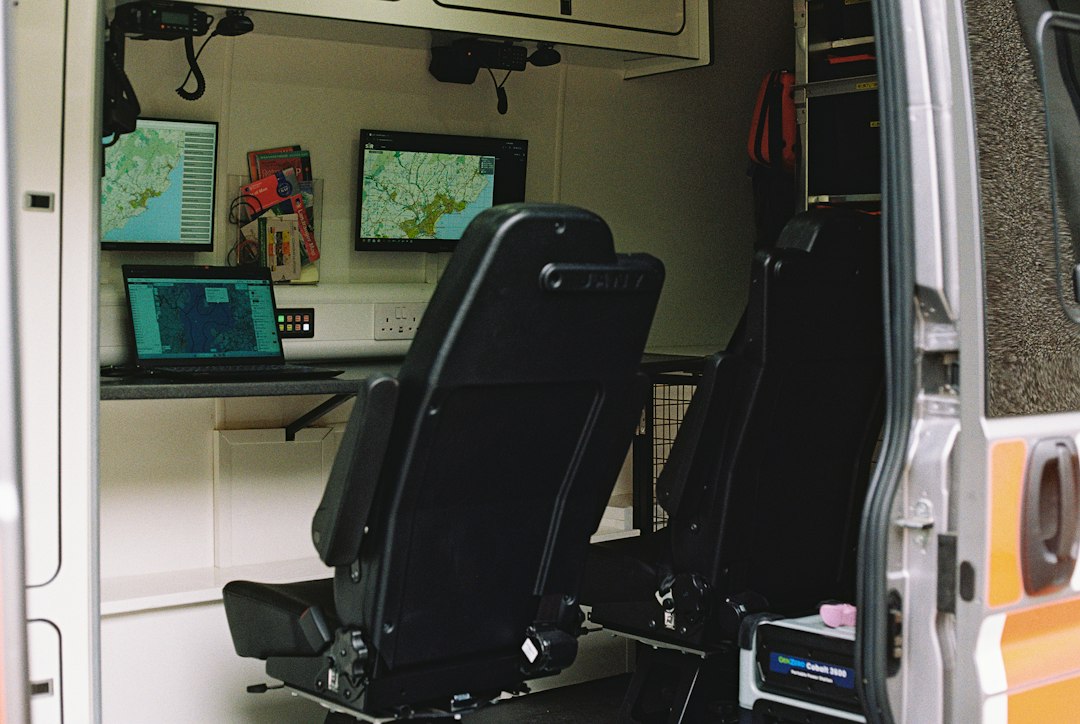
What “OTM Automated Dispatch” Actually Means — and Whether It’s Right for Your Operation
Every dispatcher has had that moment: three drivers free, five loads pending, one angry customer on hold, and a spreadsheet that stopped making sense an hour ago. That’s the problem OTM automated dispatch is built to solve — at least in theory.
OTM stands for Oracle Transportation Management, a large-scale transportation management system (TMS) used primarily by shippers, third-party logistics providers (3PLs), and enterprise fleets. Its automated dispatch module is one piece of a much bigger platform. This article breaks down what that module actually does, who it’s genuinely designed for, where it falls short for smaller operators, and — if it’s not the right fit — what the alternatives look like. No vendor spin, just the practical picture.
—
How Oracle Transportation Management Handles Dispatch Automation
A TMS, at its core, manages the full lifecycle of a shipment: planning loads, selecting carriers, rating freight, tendering to drivers, and settling invoices. OTM is one of the longer-established enterprise TMS platforms in the market. Its automated dispatch component sits inside that broader ecosystem.
When people search for OTM automated dispatch, they’re usually asking one of two things: how does OTM’s automation engine work, or is OTM what I actually need for my operation. Both are fair questions, and the answers are different.
What the automation engine does: Rather than a dispatcher manually assigning every load, OTM applies configurable rules — carrier preferences, cost thresholds, capacity constraints, lane history, service requirements — to match loads to available carriers or drivers automatically. It can generate tenders, send them to carriers electronically, track acceptances and rejections, and re-tender to the next option in the queue if a carrier declines.
The key word is configurable. The system does what you tell it to do through rules you define. It’s not magic — it’s structured logic at scale, which is genuinely powerful when you have enough volume and complexity to justify it.
—
What OTM Is Designed For (and What It Is Not)
OTM is an enterprise-grade platform. That’s not a marketing phrase — it has real operational meaning.
It was built for organizations managing hundreds or thousands of shipments across multiple modes (truckload, LTL, intermodal, parcel), often across international borders. Its automated dispatch rules are designed to handle the kind of complexity that involves carrier contracts, accessorial charges, routing guides, compliance documentation, and integration with ERP systems like Oracle’s own suite or SAP.
What it is not designed for is a five-truck delivery fleet, a towing company, a field service business, or an owner-operator looking to automate load booking and invoicing. Using OTM for those use cases would be like using industrial HVAC equipment to heat a studio apartment — it can technically work, but the overhead is enormous and the cost-to-benefit ratio is brutal.
Implementation timelines for OTM typically run months, not days. Licensing and implementation costs are custom and enterprise-priced — rarely a fit for operations under a certain transaction volume. And ongoing administration typically requires either dedicated internal resources or a managed-services partner.
If you want to understand the broader landscape of what dispatch platforms actually do at the operational level, the what is dispatch software guide is a useful starting point.
—
The Automated Dispatch Spectrum: Where Different Operations Land
Not all dispatch automation is enterprise-level — and for most U.S. operators, it doesn’t need to be. Here’s a realistic view of where different operation types land on the automation spectrum:
| Operation Type | Typical Automation Needs | Platform Category to Explore |
|---|---|---|
| Owner-operator / solo driver | Load matching, basic invoicing, mileage tracking | Lightweight TMS or dispatch app |
| Small delivery fleet (2–15 vehicles) | Route optimization, job assignment, proof of delivery | Delivery dispatch software |
| Mid-size trucking carrier | Load board integration, ELD sync, carrier invoicing | Mid-market TMS or trucking dispatch |
| 3PL / enterprise shipper | Multi-carrier tendering, routing guides, EDI, ERP integration | Enterprise TMS (OTM tier) |
| Field service (HVAC, plumbing) | Scheduling, technician routing, job tracking, quotes | Field service management software |
| NEMT / paratransit | Trip scheduling, broker integration, Medicaid billing | NEMT-specific dispatch platform |
The point is that automated dispatch is a feature, not a product category. Almost every modern dispatch platform includes some form of automation — auto-assigning jobs by zone, skill, proximity, or availability. The difference is the complexity layer those rules can handle.
For trucking operators specifically, trucking dispatch software covers the mid-market options that include load board integration, ELD compatibility, and owner-operator invoicing without the enterprise price tag. For delivery and last-mile operations, delivery dispatch software breaks down what route optimization and auto-assignment look like at smaller scale.
—
The Real Cost of Enterprise vs. Operational Dispatch Automation
One thing that gets lost in conversations about OTM automated dispatch is total cost of ownership — not just licensing, but everything that surrounds it.
Enterprise TMS platforms (OTM and its competitors) typically involve:
- Licensing fees that are custom-quoted based on transaction volume, modules, and user count — rarely discussed in public-facing pricing
- Implementation costs that can range from tens of thousands to well into six figures depending on complexity and customization
- Ongoing support and administration — either internal staff with TMS expertise or a systems integrator
- Integration work to connect to ERP, WMS, carrier EDI systems, and internal reporting tools
Operational dispatch platforms — the kind built for fleet managers, dispatchers, and owner-operators — work on a completely different model. Many charge per vehicle per month, with small-fleet plans commonly in the $20–$45 per vehicle range. Solo and owner-operator tiers often run free to around $30/month. Several offer a free plan or a no-card trial that’s enough for a small team to test-drive the core features.
The pricing model for dispatch software pricing is worth reading if you’re comparing across tiers — it explains the per-vehicle, per-user, and per-delivery models and what each means for your monthly bill as you scale.
—
Automation Features That Actually Matter Day-to-Day
Whether you’re evaluating OTM or a smaller platform, the automation features that move the needle for most operators tend to cluster around the same functional areas. Here’s what to look for and what each actually does:
Auto-assignment rules — the system assigns incoming jobs to drivers based on criteria you set: availability, proximity (geofencing), skill or vehicle type, or round-robin rotation. This is the core of dispatch automation at any scale.
Route optimization — distinct from dispatch assignment. A route planner sequences the order of stops to minimize drive time or fuel cost. Some platforms combine this with assignment; others keep them separate. Don’t confuse a route optimizer with a full dispatch system.
Real-time tracking and status updates — drivers update job status through a mobile app; the dispatch board reflects it instantly. This removes the radio check-in loop that burns dispatcher time.
Automated customer notifications — ETAs, arrival alerts, and proof of delivery (POD) confirmations sent to customers automatically via SMS or email. Reduces inbound “where’s my driver?” calls significantly.
Exception handling — the system flags when a job is running late, a driver goes off-route, or a tender is rejected, rather than requiring a dispatcher to catch it manually.
ELD and HOS integration — for regulated trucking, automated dispatch should check Hours of Service (HOS) compliance before assigning a load. Requirements vary; operators should verify current FMCSA rules directly rather than relying on platform claims alone.
—
What This Means for Your Operation
If you’re a shipper, 3PL, or large carrier evaluating OTM specifically, you’re likely already working with a systems integrator or Oracle’s own sales team. The automated dispatch capability is real and proven at scale — the question is whether your transaction volume and integration complexity justify the implementation investment.
If you’re a fleet manager, dispatcher, or owner-operator who encountered OTM while searching for ways to automate your dispatch workflow, the honest answer is: this is probably not the platform for your operation. The good news is that the feature you actually want — automated job assignment, real-time tracking, route optimization, driver mobile apps — exists across a wide range of platforms built specifically for operations your size, at a fraction of the cost and setup time.
The practical next step is to compare platforms that match your industry and fleet size rather than defaulting to name recognition. The best dispatch software overview covers the major operational categories, and dispatch software comparisons goes side-by-side on key features. If you’re new to the space, what is dispatch software gives a grounded foundation before you start evaluating.
—
FAQ
What does OTM stand for in dispatch software?
OTM stands for Oracle Transportation Management, an enterprise-grade TMS (transportation management system) built primarily for large shippers, 3PLs, and carriers managing high-volume, multi-modal freight operations. Its automated dispatch features are part of a broader platform that includes carrier management, freight rating, and ERP integration.
Is OTM the right dispatch system for a small trucking fleet?
Generally, no. OTM is designed for enterprise-scale operations with complex carrier networks and high transaction volumes. Small and mid-size trucking fleets are better served by mid-market TMS or trucking dispatch platforms that offer load board integration, ELD sync, and invoicing at per-vehicle pricing. See the trucking dispatch software guide for relevant alternatives.
What does “automated dispatch” actually mean in practice?
Automated dispatch means the software assigns jobs or loads to drivers based on rules you configure — proximity, availability, skill, vehicle type, or cost — without a dispatcher manually making each assignment. Most modern dispatch platforms include some form of automation; the difference is how complex the rules can get.
How much does OTM cost compared to other dispatch platforms?
OTM pricing is custom and enterprise-quoted — it’s not listed publicly and varies based on modules, transaction volume, and implementation scope. Operational dispatch platforms designed for smaller fleets typically charge $20–$45 per vehicle per month for small-fleet plans, with free or near-free tiers for solo operators. See dispatch software pricing for a full breakdown of pricing models.
Can I try dispatch automation for free before committing?
Yes — many operational dispatch platforms offer a free plan or a no-card free trial, which is often enough for a small team to test core automation features. Enterprise TMS platforms like OTM do not typically offer self-serve trials. The free dispatch software guide covers which platforms have genuinely usable free tiers.
—
The Bottom Line
OTM automated dispatch is a legitimate, powerful capability — inside an enterprise platform built for a specific kind of operation at a specific scale. For the majority of U.S. fleet operators, dispatchers, and owner-operators, the automation they need lives in platforms designed exactly for their size and industry, without the enterprise overhead.
The smartest move is to match the tool to the operation, not the brand name to the budget. If you’re ready to find platforms worth comparing for your specific industry, fleet size, and must-have features, DispatchFlow’s free finder at /get-started/ does exactly that — no obligation, no sales pitch, just a shortlist of options built for how you actually run.